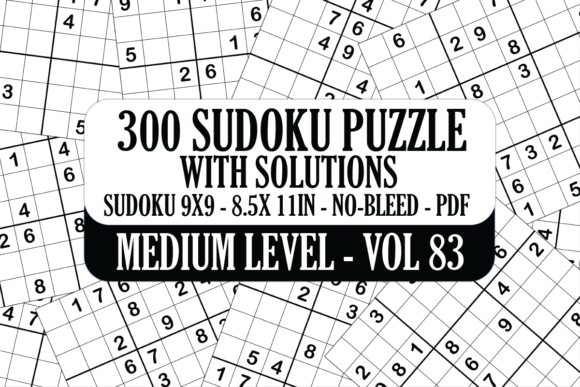
360 SUDOKU PUZZLES: A Unique Twist on a Classic Puzzle
360 SUDOKU PUZZLES offer a fresh and engaging approach to the traditional Sudoku game. While standard Sudoku puzzles follow a 9x9 grid with numbers from 1 to 9, 360 SUDOKU PUZZLES expand the concept by introducing a circular or 360-degree layout. This variation adds a new layer of complexity and visual appeal, making it an intriguing option for puzzle enthusiasts looking for something different.
The core objective remains the same: fill the grid so that each row, column, and region contains all digits without repetition. However, the 360-degree structure challenges players to think in a more dynamic way, often requiring them to consider patterns and sequences that extend beyond the linear format of traditional Sudoku.
What Makes 360 SUDOKU PUZZLES Different?
One of the key features that sets 360 SUDOKU PUZZLES apart is its design. Instead of a square grid, the puzzle is arranged in a circular pattern, often divided into segments or sections that resemble slices of a pie. This layout not only looks visually appealing but also introduces new spatial relationships between numbers. Players must navigate the circular structure, which can make certain patterns more challenging to identify compared to a standard grid.
Another distinguishing factor is the way the puzzle is solved. In some versions, the circular arrangement allows for overlapping regions or shared sections, adding another level of strategy. This means that solving one part of the puzzle may influence other areas, requiring a more holistic approach to problem-solving.
Comparing 360 SUDOKU PUZZLES with Traditional Sudoku
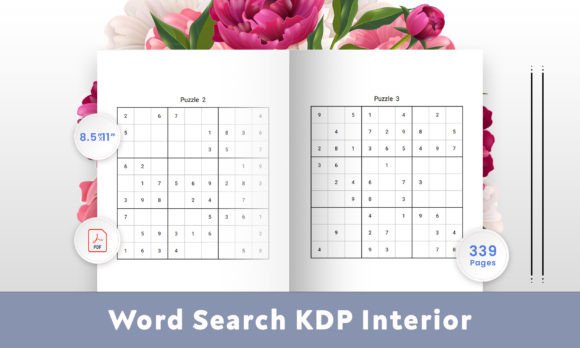
For those familiar with traditional Sudoku, 360 SUDOKU PUZZLES represent a significant departure from the norm. The most obvious difference is the shape of the grid, which shifts from a rigid square to a more fluid, circular form. This change can affect how players approach the puzzle, as the linear logic used in standard Sudoku may need to be adapted to fit the circular layout.
Traditional Sudoku puzzles are often categorized by difficulty levels such as easy, medium, and hard, based on the number of given clues and the complexity of the solution path. 360 SUDOKU PUZZLES may use similar categorizations, but the unique structure can lead to different challenges. For example, a puzzle that appears simple in a standard format might feel more complex when rearranged in a circular design.
Additionally, the availability of 360 SUDOKU PUZZLES may be more limited than traditional Sudoku options. Many puzzle books and online platforms focus on the classic version, while 360 SUDOKU PUZZLES may be found in niche publications or specialized websites. This can make it harder for some players to access and practice regularly.
Strengths and Limitations of 360 SUDOKU PUZZLES
One of the main strengths of 360 SUDOKU PUZZLES is their ability to provide a fresh challenge for experienced Sudoku players. The circular format encourages creative thinking and can help improve spatial reasoning skills. It also offers a visually engaging experience, which can be particularly appealing to those who enjoy puzzles with unique designs.
However, the novelty of 360 SUDOKU PUZZLES may come with some limitations. The non-linear structure can be confusing for beginners, especially those who are used to the straightforward layout of traditional Sudoku. Additionally, the lack of widespread availability may mean that players have fewer opportunities to find and solve these puzzles regularly.
Another consideration is the learning curve associated with mastering 360 SUDOKU PUZZLES. Players may need to adjust their strategies and develop new techniques to handle the circular layout effectively. This can be both a benefit and a drawback, depending on the player’s goals and preferences.
When 360 SUDOKU PUZZLES Are the Right Choice
360 SUDOKU PUZZLES may be the ideal choice for individuals who are looking for a new challenge or want to explore alternative puzzle formats. They are particularly well-suited for players who enjoy visual and spatial puzzles, as the circular design offers a different kind of mental engagement compared to the standard grid.
These puzzles can also be a good option for those who want to enhance their problem-solving skills in a more dynamic environment. The need to consider multiple perspectives and relationships between numbers can help sharpen cognitive abilities and encourage out-of-the-box thinking.
For educators or parents looking for educational tools, 360 SUDOKU PUZZLES can serve as an engaging way to teach logical reasoning and pattern recognition. Their unique structure can make learning more interactive and enjoyable, especially for students who may find traditional Sudoku too repetitive or predictable.
When Other Options Might Be Better
While 360 SUDOKU PUZZLES offer a unique experience, they may not be the best fit for everyone. Players who prefer straightforward, linear puzzles may find the circular format distracting or difficult to navigate. In such cases, traditional Sudoku or other variations like Killer Sudoku or Samurai Sudoku might be more suitable.
Additionally, individuals who are just starting out with Sudoku may benefit from beginning with simpler formats before attempting 360 SUDOKU PUZZLES. The added complexity of the circular layout could potentially hinder their progress if they are not yet comfortable with the basic rules and strategies of the game.
If accessibility is a concern, players should also consider where they can find 360 SUDOKU PUZZLES. Since they are less common than traditional Sudoku, it may be more challenging to locate resources or apps that offer this specific type of puzzle. In such cases, exploring other puzzle types might be a more practical choice.
Realistic Examples and Practical Comparisons
Consider a scenario where a puzzle enthusiast is looking for a new challenge. They may start with a standard Sudoku puzzle, which provides a clear structure and familiar rules. However, after completing several puzzles, they may seek something more innovative. At this point, 360 SUDOKU PUZZLES could offer an exciting alternative, allowing them to apply their existing skills in a new context.
In contrast, a beginner might find the circular layout of 360 SUDOKU PUZZLES overwhelming. They may struggle to adapt their problem-solving approach, leading to frustration. In this case, sticking with traditional Sudoku or a similar variant would be more effective for building foundational skills.
Another example involves a classroom setting. A teacher might introduce 360 SUDOKU PUZZLES as a fun and interactive way to teach logic and critical thinking. The visual aspect of the puzzle could engage students who are visually oriented, while the challenge of solving it could foster collaboration and discussion among peers.
Conclusion: Choosing the Right Puzzle for You
360 SUDOKU PUZZLES present a compelling option for puzzle lovers seeking a new and innovative challenge. Their unique circular design offers a fresh perspective on a classic game, encouraging players to think differently and develop new problem-solving strategies. However, they may not be the best fit for everyone, particularly those who prefer simpler or more traditional formats.
Ultimately, the decision to try 360 SUDOKU PUZZLES depends on individual preferences, skill levels, and goals. By understanding the strengths and limitations of this puzzle type, readers can make a more informed choice about whether it aligns with their interests and needs. Whether they choose to explore 360 SUDOKU PUZZLES or stick with traditional Sudoku, the key is to find a puzzle that provides both enjoyment and intellectual stimulation.