50 Bipolar Creative Writing Prompts: A Guide to Expressing Your Unique Story
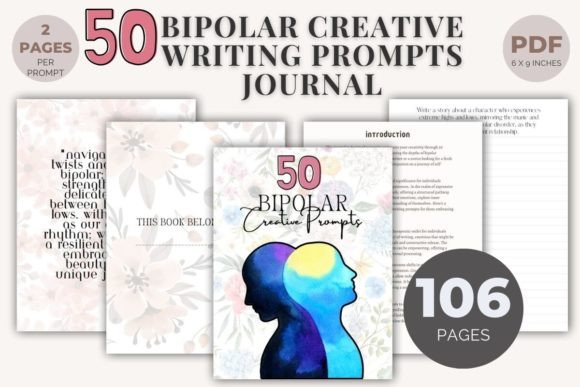
If you're looking for a way to explore your emotions, reflect on your experiences, or simply find a creative outlet, 50 Bipolar Creative Writing Prompts could be the perfect resource. This compact book, designed to fit in your pocket or on your desk, offers a collection of thoughtfully crafted prompts that encourage reflection, self-expression, and emotional exploration. Whether you're a writer seeking inspiration or someone navigating the complexities of bipolar disorder, this guide can help you turn your thoughts into meaningful writing.
Unlike generic writing exercises, these prompts are tailored to the unique challenges and insights that come with bipolar experiences. They invite you to delve into your moods, memories, and aspirations, helping you articulate what might otherwise feel too overwhelming to express. With 50 prompts spread across 106 pages, the book provides a structured yet flexible framework for journaling, storytelling, or even poetry.
Common Mistakes When Using 50 Bipolar Creative Writing Prompts
While 50 Bipolar Creative Writing Prompts is a valuable tool, some readers may not get the most out of it due to common missteps. One frequent error is approaching the prompts without a clear purpose. If you treat them as mere exercises rather than opportunities for deep reflection, you might miss the therapeutic benefits they offer.
Another mistake is skipping the introduction or instructions. The book includes a brief guide on how to use the prompts effectively, which can make a big difference in your experience. Without understanding the intent behind each prompt, you might feel disconnected from the material or unsure where to begin.
Some users also overlook the importance of consistency. Writing regularly, even if only for a few minutes a day, can lead to more meaningful insights over time. Rushing through the prompts or using them sporadically may prevent you from fully engaging with the process.
How to Avoid These Pitfalls
To get the most out of 50 Bipolar Creative Writing Prompts, start by setting aside dedicated time for writing. Even 10–15 minutes a day can make a difference. Treat each prompt as an invitation to explore your inner world rather than a task to complete.
Take the time to read the introduction and any notes provided. Understanding the purpose of the book can help you approach the prompts with intention. For example, if a prompt asks you to reflect on a moment of clarity during a manic episode, knowing that it's meant to foster insight can change how you engage with the exercise.
Consider keeping a journal alongside the book. Writing down your thoughts after each prompt can help you track your progress and gain deeper understanding over time. This practice can also serve as a personal record of your journey, offering a sense of accomplishment and growth.
What to Check Before Using 50 Bipolar Creative Writing Prompts
Before diving into 50 Bipolar Creative Writing Prompts, take a moment to assess your goals. Are you looking for a way to process emotions, improve your writing skills, or simply have a creative outlet? Clarifying your purpose will help you choose the right prompts and stay motivated.
Also, consider the format of the book. If you prefer digital access, check whether it's available as an e-book or downloadable file. Some readers may find it easier to work with a physical copy, while others may appreciate the convenience of a digital version. Make sure the format aligns with your preferences.
Finally, think about the tone of the prompts. While the book is designed to be supportive and constructive, it's important to ensure that the content resonates with you personally. If a prompt feels too triggering or uncomfortable, don't force yourself to engage with it. Your well-being should always come first.
Realistic Examples of Better Approaches
Instead of viewing the prompts as a list to check off, try treating them as conversation starters. For instance, if a prompt asks, "Describe a moment when you felt completely in control," take a few minutes to write freely without worrying about grammar or structure. This approach can lead to unexpected insights and a more authentic expression of your thoughts.
Another effective strategy is to pair a prompt with a specific mood or memory. If you're feeling particularly reflective, choose a prompt that invites you to explore past experiences. If you're feeling energized, pick one that encourages creative storytelling. Matching the prompt to your current state can enhance the writing experience and make it more enjoyable.
Don't hesitate to revisit a prompt later. Sometimes, a prompt that didn't resonate at first can become meaningful after some time has passed. Keep the book accessible so you can return to it whenever you're ready to explore new ideas or revisit old ones.
Why 50 Bipolar Creative Writing Prompts Is Worth Exploring
50 Bipolar Creative Writing Prompts isn't just a collection of exercises—it's a tool for self-discovery and emotional growth. By engaging with the prompts, you can gain a deeper understanding of your experiences, develop your writing skills, and create a space for honest reflection. The book's design makes it easy to use, whether you're writing in a notebook, on a computer, or in a digital journal.
For those who are new to creative writing, the prompts provide a gentle introduction to the process. For experienced writers, they offer fresh perspectives and new ways to explore familiar themes. Regardless of your background, the book can serve as a valuable resource for anyone interested in the intersection of creativity and emotional expression.
With its practical approach and thoughtful design, 50 Bipolar Creative Writing Prompts offers a meaningful way to connect with your thoughts and emotions. Whether you're looking for a personal outlet or a creative challenge, this book can help you find your voice and share your story.