SALES MANAGER LOGBOOK: A Comprehensive Tool for Modern Sales Professionals
In today’s fast-paced business environment, effective sales management is more critical than ever. As companies strive to optimize their sales processes and improve performance, tools like the SALES MANAGER LOGBOOK have become essential assets for professionals across industries. This logbook is not just a simple notebook; it is a structured, organized, and versatile tool designed to support sales managers in tracking progress, analyzing data, and refining strategies.
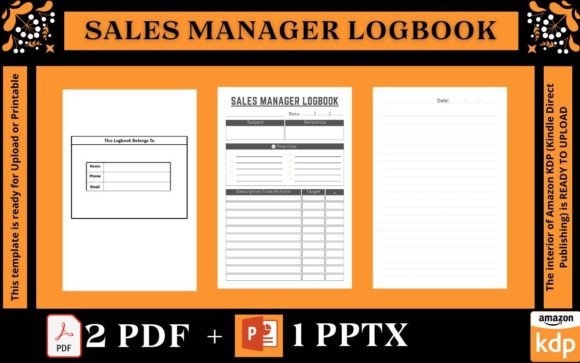
The SALES MANAGER LOGBOOK comes with specific specifications that make it suitable for both digital and physical use. It measures 6×9 inches, making it portable and easy to carry during meetings, client visits, or on-the-go planning. With 110–120 pages, it provides ample space for detailed notes, daily logs, and long-term planning. The package includes one PPTX file, two PDFs, and three JPEGs, offering flexibility for customization, printing, or digital uploads. Additionally, the high-quality interior ensures durability and a professional look, whether you're using it as a personal journal or preparing it for Amazon KDP Kindle Direct Publishing.
Understanding the SALES MANAGER LOGBOOK
The SALES MANAGER LOGBOOK is a specialized notebook tailored for sales professionals who need a systematic way to track their activities, goals, and outcomes. Unlike generic journals, this logbook is designed with the unique needs of sales managers in mind. It includes sections for daily activity logs, client interactions, sales forecasts, team performance reviews, and strategic planning. This structure allows users to maintain a clear overview of their sales pipeline and identify areas for improvement.
One of the standout features of the SALES MANAGER LOGBOOK is its readiness for upload or printable use. This means that sales managers can easily digitize their entries, share them with team members, or integrate them into larger sales analytics systems. The availability of digital files also makes it ideal for those who prefer a hybrid approach—using the physical logbook for note-taking while leveraging the digital version for data analysis and reporting.
Relevance in the Broader Business Landscape
The rise of the SALES MANAGER LOGBOOK reflects broader trends in the business world, where data-driven decision-making and process optimization are becoming standard practice. In an era where remote work, digital collaboration, and real-time analytics are reshaping how teams operate, having a reliable and adaptable tool like the SALES MANAGER LOGBOOK is invaluable.
For entrepreneurs and small business owners, the logbook serves as a centralized hub for managing sales operations. It helps in setting clear objectives, tracking progress, and measuring success against key performance indicators (KPIs). For marketers and sales teams, it offers a way to document client interactions, analyze customer behavior, and refine outreach strategies. Even freelancers and independent consultants can benefit from using the logbook to manage client relationships, track project timelines, and plan future opportunities.
The increasing demand for such tools also aligns with the growing emphasis on productivity and efficiency. As businesses seek to reduce overhead costs and streamline workflows, the SALES MANAGER LOGBOOK provides a cost-effective solution that enhances organization and accountability. Its portability and ease of use make it particularly appealing to professionals who are constantly on the move, ensuring that they can stay connected to their sales goals at all times.
Why People Are Paying Attention to the SALES MANAGER LOGBOOK
There are several reasons why the SALES MANAGER LOGBOOK has captured the attention of professionals across various fields. One of the primary factors is its ability to simplify complex sales processes. By providing a structured format for recording and analyzing data, it helps users identify patterns, track performance, and make informed decisions. This level of insight is crucial for sales managers who need to stay ahead of market trends and adapt to changing consumer demands.
Another reason for its popularity is its versatility. Whether used as a personal journal, a team collaboration tool, or a digital asset for KDP publishing, the SALES MANAGER LOGBOOK can be customized to meet individual or organizational needs. The inclusion of multiple file formats—PPTX, PDF, and JPEG—ensures that users can easily integrate the logbook into their existing workflows, whether they’re preparing presentations, creating marketing materials, or sharing insights with stakeholders.
Moreover, the SALES MANAGER LOGBOOK supports a forward-looking approach to sales management. By encouraging regular reflection and goal-setting, it helps users stay focused on long-term objectives while maintaining a clear view of day-to-day activities. This balance between short-term execution and long-term strategy is essential for sustained success in any sales environment.
Practical Applications and Real-World Examples
To understand the practical value of the SALES MANAGER LOGBOOK, consider the following scenarios:
- Team Management: A sales manager can use the logbook to track individual team member performance, set targets, and provide feedback. By documenting weekly achievements and challenges, the manager can identify training needs and adjust strategies accordingly.
- Client Relationship Building: Sales professionals can record detailed notes about client interactions, preferences, and follow-up actions. This information can be used to personalize future communications and build stronger, more meaningful relationships.
- Performance Analysis: By regularly updating the logbook with sales figures, conversion rates, and other metrics, users can gain valuable insights into what works and what doesn’t. This data-driven approach enables continuous improvement and better decision-making.
These examples illustrate how the SALES MANAGER LOGBOOK can be applied in real-world situations, helping professionals achieve greater efficiency, transparency, and accountability in their sales efforts.
Connecting to Larger Trends and Developments
The SALES MANAGER LOGBOOK fits into a larger conversation about the evolving nature of sales and business management. As technology continues to shape how we work, there is a growing need for tools that combine traditional practices with modern capabilities. The logbook represents this intersection by offering a physical, tactile experience alongside digital flexibility.
This trend is also reflected in the increasing importance of personal branding and content creation. For writers, speakers, and influencers, the SALES MANAGER LOGBOOK can serve as a foundation for developing thought leadership. By documenting insights, experiences, and strategies, users can create valuable content that resonates with their audience and strengthens their professional reputation.
Furthermore, the logbook aligns with the broader movement toward sustainability and efficiency in business practices. Its durable design and reusable format reduce the need for frequent replacements, making it an eco-friendly choice for professionals who want to minimize waste without compromising quality.
Conclusion
The SALES MANAGER LOGBOOK is more than just a notebook—it is a powerful tool that empowers sales professionals to organize, analyze, and optimize their work. With its thoughtful design, practical features, and adaptability, it meets the evolving needs of modern sales managers, entrepreneurs, and creatives. Whether used for daily tracking, team collaboration, or digital integration, the logbook provides a structured approach to achieving sales success.
In a world where data, efficiency, and adaptability are key, the SALES MANAGER LOGBOOK stands out as a valuable resource that supports both individual growth and organizational development. By embracing this tool, professionals can take control of their sales processes, enhance their productivity, and stay ahead in an ever-changing business landscape.